Introduction
When people hear the phrase “New Year,” they often think of celebration, fireworks, countdowns, parties, cheerful greetings, and public events. This is how the Gregorian New Year is commonly marked in many parts of the world.
But the Islamic New Year means something quite different.
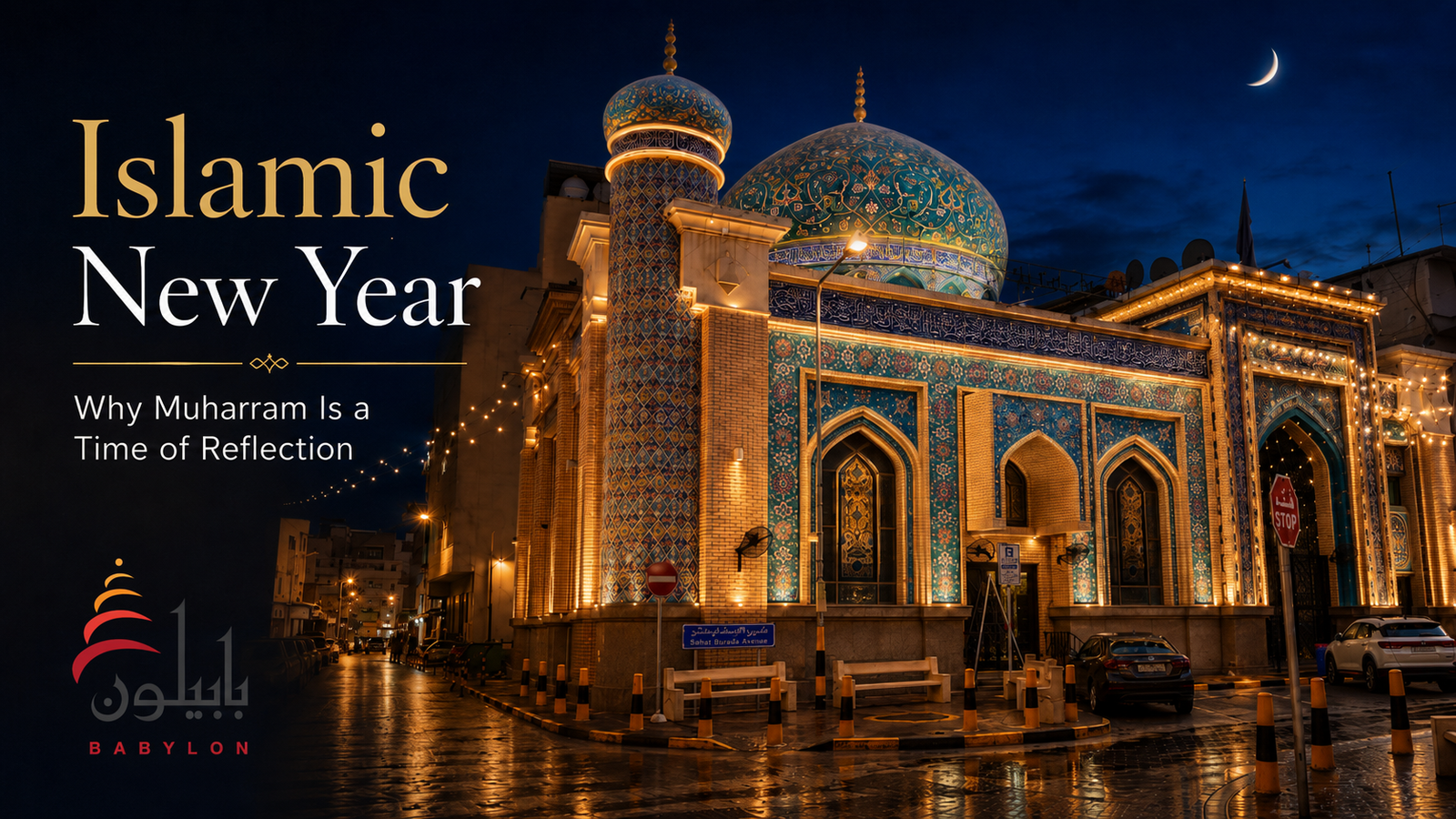
It marks the start of the Hijri calendar and Muharram, the first month of the Islamic year. In many Muslim communities, including Bahrain, Muharram is not a festive time. Instead, it is a sacred month focused on reflection, remembrance, religious observance, and cultural respect.
For companies, embassies, hotels, schools, and international organisations in Bahrain or working with Muslim audiences, this difference is important. A message that works for January 1 may not be right for Muharram.
That’s why language, tone, and cultural understanding are so important.
Why Muharram Is a Sacred Month
Muharram is one of Islam’s sacred months. It is a time for restraint, reflection, worship, remembrance, and respect.
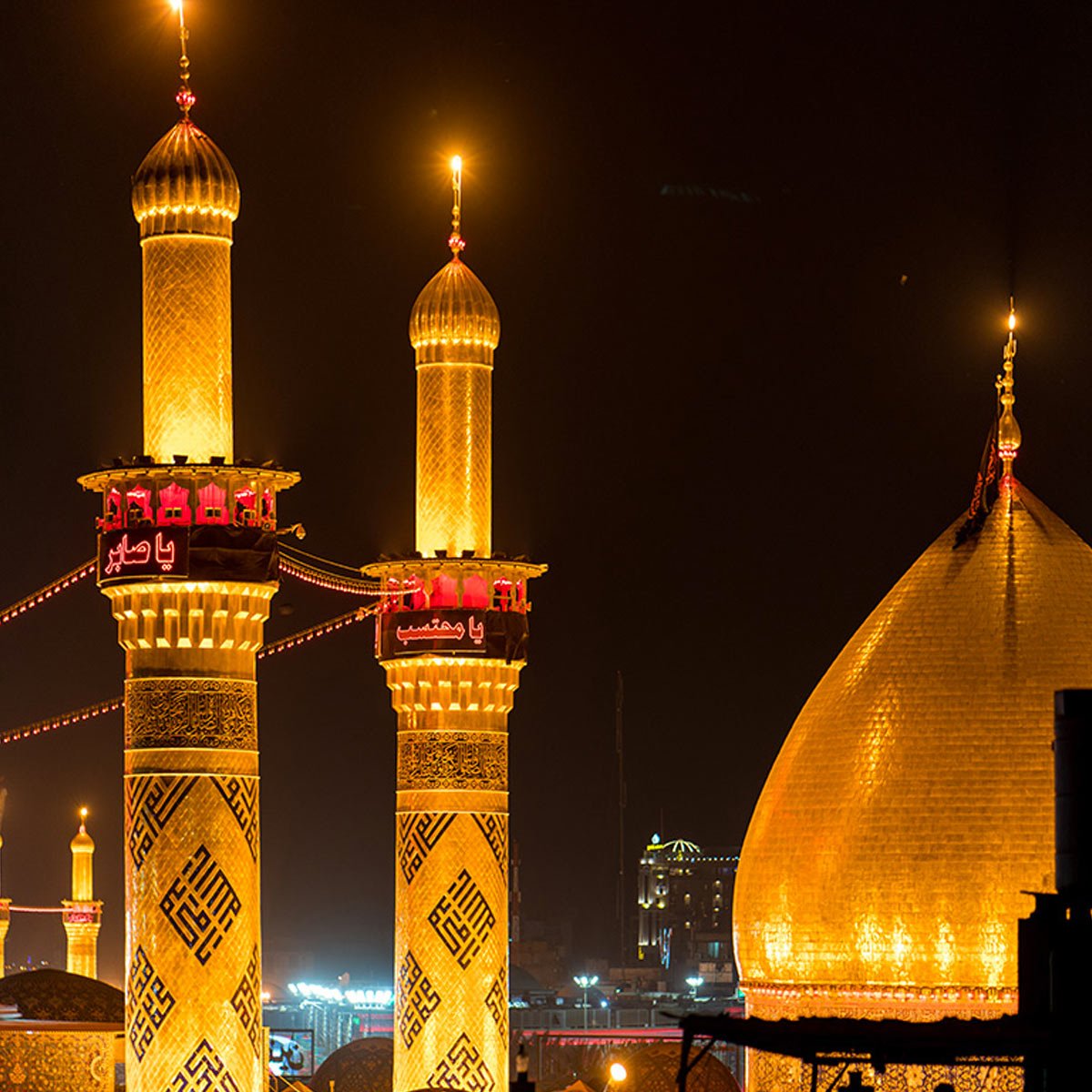
The tenth day of Muharram, known as Ashura, has special significance. For many Muslims, it is a day connected to religious devotion and historical memory. For Shia Muslims in particular, Ashura is strongly associated with the martyrdom of Imam Hussain at Karbala, an event of profound spiritual, emotional, and historical importance.
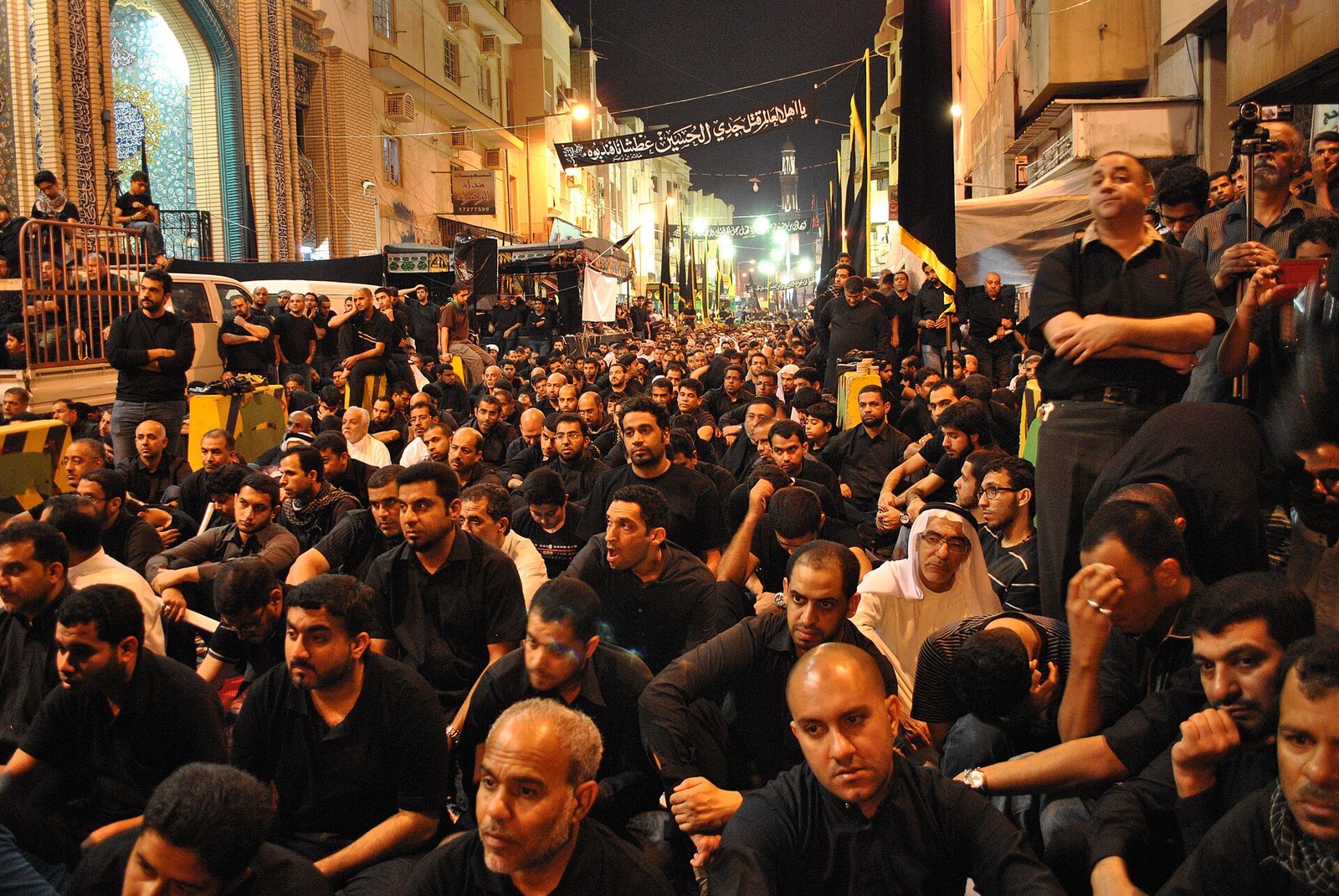
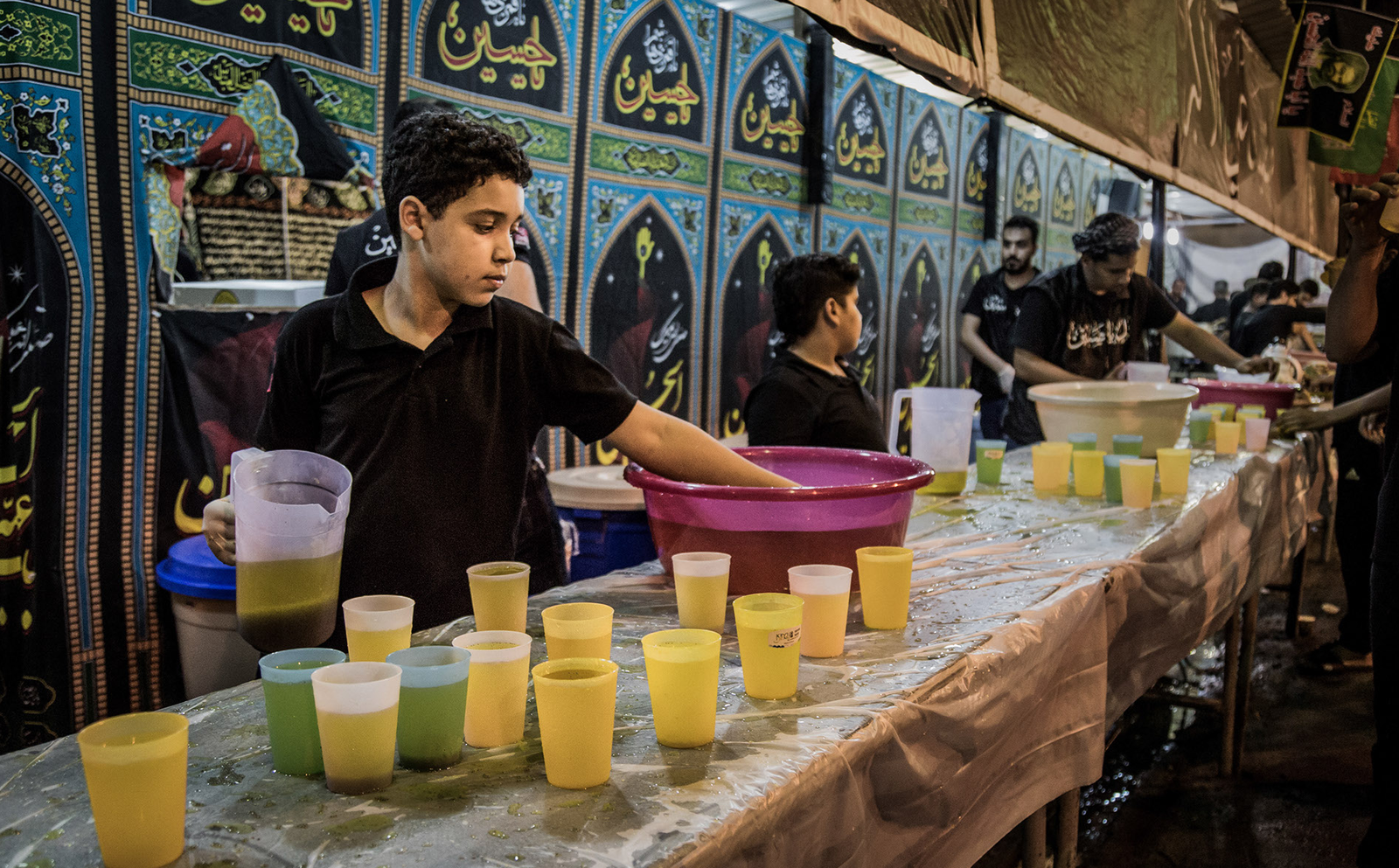
In Bahrain, Muharram is clearly seen in many places. Black banners, religious gatherings, sermons, processions, matams, and community events shape the social and cultural mood during this time. For many, it is a period of mourning, remembrance, and religious commitment.
That’s why the Islamic New Year should not be treated as just a greeting or a marketing chance. It needs a more thoughtful and respectful approach.
Why It Is Not Celebrated Like the Gregorian New Year
The Gregorian New Year is usually associated with a festive public mood. Businesses may use phrases such as “Happy New Year,” “Celebrate with us,” or “New Year offers.” Visuals often include fireworks, balloons, bright colours, music, countdowns, and party themes.
This way of communicating does not fit Muharram.
The Islamic New Year starts with a sacred month. In many places, especially where Muharram is widely observed, the mood is more serious and reflective. People may go to religious gatherings, listen to sermons, join processions, or mark the time with quiet respect.
This difference is not just religious. It is also cultural and about how people communicate.
A phrase like “Celebrate Islamic New Year with our special offers” might seem fine to someone who does not know the context, but it can sound insensitive to people who see Muharram as a time for reflection and mourning. In the same way, using fireworks, party images, or very festive designs can give the wrong message.
For businesses and institutions, it is best to communicate with dignity, simplicity, and cultural awareness.
Muharram in Bahrain: A Matter of Cultural Awareness
In Bahrain, Muharram is an important part of the country’s social and religious life. Many communities observe the month with seriousness and respect. In some areas, people may notice processions, religious banners, matams, public gatherings, and changes in traffic or public movement.
For international visitors, hotel guests, diplomats, media teams, and expat workers, it is important to understand this atmosphere. Muharram is more than just a date. It shapes public communication, community behavior, and the overall mood during this time.
This is especially important for organisations that publish messages in Arabic and English, send greetings to clients, issue public notices, welcome international guests, or create social media content.
A poorly translated message can cause confusion. A message that does not fit the culture can hurt trust. But a respectful message shows awareness and professionalism.
Common Mistakes in Islamic New Year Messages
Many organisations make mistakes because they translate the idea of “New Year” literally without considering the cultural context.
Common mistakes include:
Using overly festive language such as “Celebrate Muharram”
Saying “Happy Ashura”
Treating Muharram as a commercial campaign
Using fireworks, balloons, party visuals, or loud celebration imagery
Translating Gregorian New Year greetings directly into Arabic
Using generic AI-generated greetings without cultural review
Ignoring the difference between the Islamic New Year and Ashura
Publishing messages that sound cheerful when the expected tone is reflective
These mistakes are usually not on purpose. They often happen because the organisation lacks a proper cultural or language review process.
For sensitive religious and cultural occasions, good grammar is not enough. The message also needs the right tone.
How Organisations Can Communicate Respectfully
A respectful Islamic New Year message should be calm, dignified, and fit the culture. It should not turn the occasion into a commercial event or use a festive tone that does not match the meaning of Muharram.
Suitable themes may include:
Reflection
Peace
Blessings
Respect
Renewal
Community
Spiritual awareness
Cultural understanding
For example, an organisation may write:
“On the occasion of the Islamic New Year, we extend our respectful wishes for a year of peace, reflection, and blessings.”
This tone is safer and more suitable than:
“Celebrate Islamic New Year with our special offers!”
The first message shows respect for the occasion. The second turns it into a marketing event, which may not fit Muharram.
Organisations should make sure that Arabic and English versions have the same meaning and tone. A message that works in English may sound awkward or insensitive in Arabic if translated word for word. In the same way, an Arabic phrase may need careful changes to sound natural and respectful in English.
That’s why cultural translation is more than just swapping words between languages. It means understanding the situation, the audience, and the feelings tied to the occasion.
Where Babylon Translation Centre Can Help
At Babylon Translation Centre, we know that communicating during religious and national occasions needs accuracy, sensitivity, and cultural awareness.
We help organisations create Arabic and English messages that fit their audience and the occasion. Our clients include companies, embassies, hotels, schools, universities, government offices, event organisers, and international institutions.
Our services include:
Arabic-English cultural copywriting
Translation of Islamic New Year and Muharram messages
Review of public announcements
Bilingual notices for hotels, companies, and institutions
Social media captions for religious and national occasions
Embassy and corporate communication
Proofreading and tone review
Translation of religious and cultural content
Whether you are writing a short greeting, a formal announcement, a public notice, or a social media post, choosing the right words matters. A respectful message can build trust with your audience. A careless one can cause confusion or offence.
Final Thoughts
The Islamic New Year is an important time in the Muslim calendar, but it should not be treated like the Gregorian New Year. It starts with Muharram, a sacred month with deep religious and cultural meaning.
For businesses and institutions, the challenge is not just translating the words correctly. The real challenge is using the right tone.
At Babylon Translation Centre, we help organisations write, translate, and review culturally appropriate Arabic and English messages for religious and national occasions.
Before you publish your Islamic New Year or Muharram message, let Babylon help make sure it is accurate, respectful, and right for your audience.
Call to Action
Do you need to publish an Islamic New Year or Muharram message in Arabic and English?
Babylon Translation Centre can help you write, translate, and review culturally appropriate messages for religious and national occasions.
Contact us today to prepare your message with accuracy, respect, and confidence.
(Image credit: “Ashura in Bahrain 39.JPG” by Mohamed CJ, via Wikimedia Commons, licensed under Creative Commons Attribution-Share Alike 3.0 Unported. No changes made.)